
The Empathy Loop: Enter, Immerse, Connect, Reflect
A framework for compassionate support in moments that matter

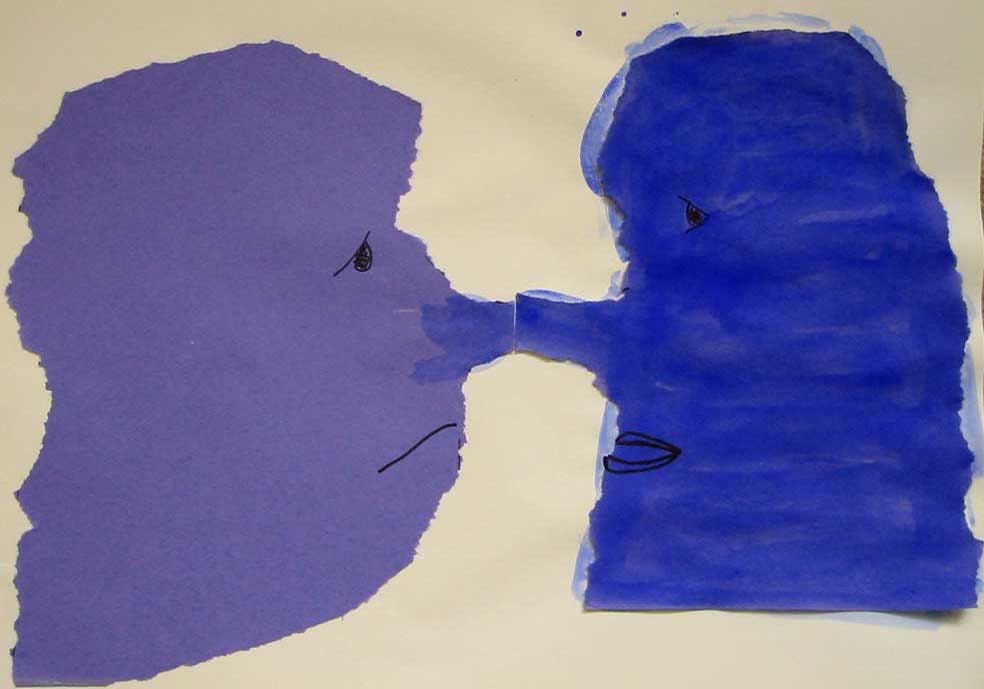
Empathy is not just a feeling, it’s also a practice. For those offering services, spaces, or learning experiences for young people, empathy is a way to step into their world, understand their needs, and then step back with insight to act meaningfully. Whether you’re a youth worker or educator, empathy helps you move beyond assumptions and into connection.
Kouprie and Sleeswijk Visser’s framework for empathy in design offers a practical, four-phase process that can guide practitioners in developing a deeper understanding and more responsive solutions. This post explores how their model can be applied in educational and youth support contexts, especially when codesigning with and not just for young people.
What is empathy in design?
Empathy in design is not about guessing what young people feel. It’s about intentionally engaging with young people and their lived experience. Kouprie and Sleeswijk Visser (2009) describe empathy as a process with four distinct phases:
Discovery – Entering the young person’s world
Immersion – Wandering around in their world
Connection – Resonating with the young person
Detachment – Leaving their world to design with insight
This framework encourages practitioners to move beyond surface-level understanding and into a more grounded, reflective process. It’s especially relevant when working with young people, whose experiences are often shaped by many varied transitions involving rapid change, identity exploration, and complex social environments.
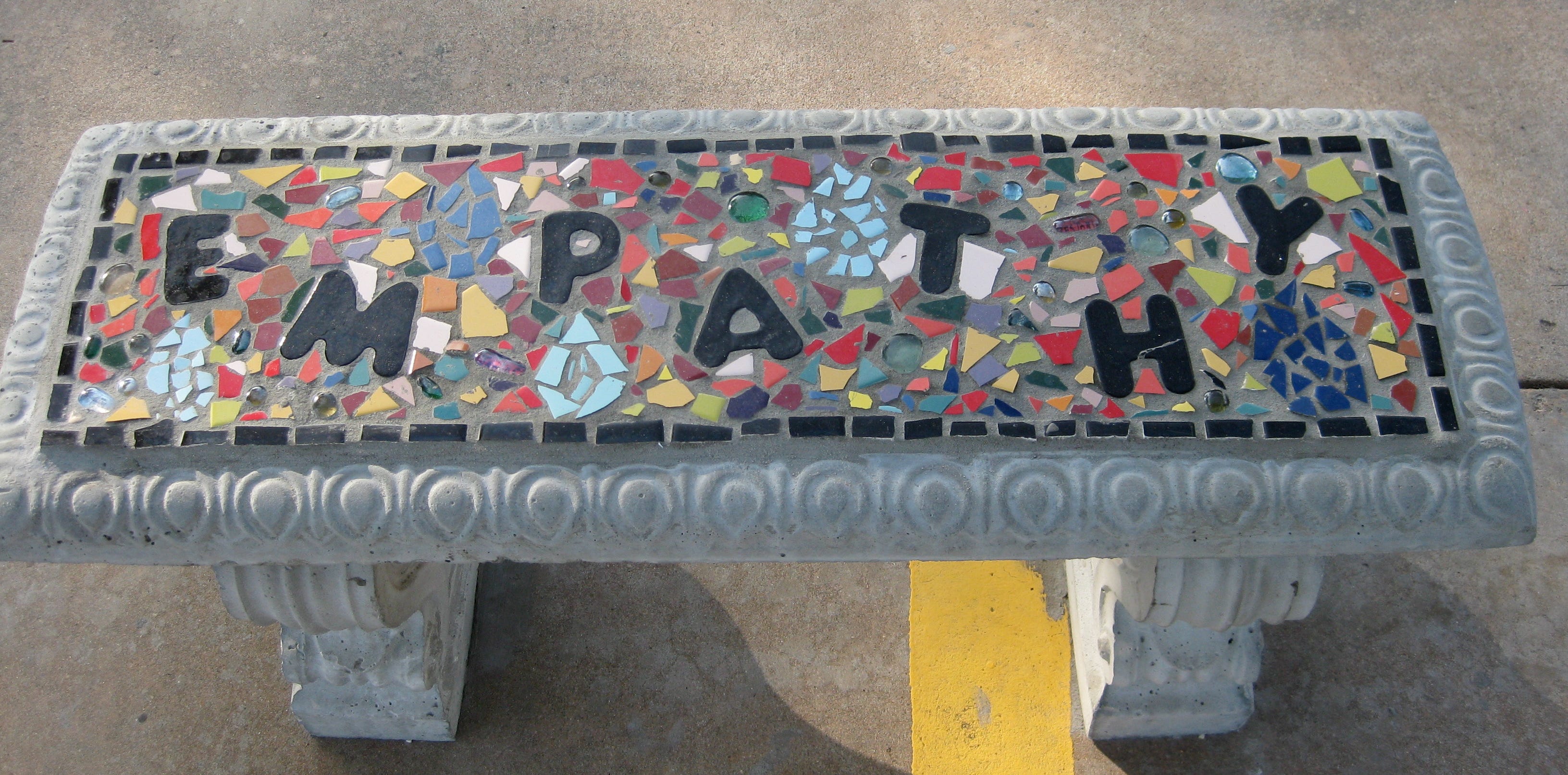
Engaging with Young People in the Four Phrases
Let’s explore how each phase might look in practice for educators or youth workers in community settings, schools, FE colleges, or universities.
1. Discovery: Entering the world of young people
This phase is about curiosity. It begins with listening not just to what young people say, but how they say it. It might involve coaxing out their reflections, observing their interactions, or engaging with some of their creative outputs. For example, a university lecturer might notice recurring themes in a student’s written submissions or feedback that signal emotional needs.
The goal here is not to diagnose but to become open to learning. Discovery builds the willingness to understand before jumping to solutions.
2. Immersion: Wandering around in their world
Immersion means spending time in the spaces young people inhabit whether that’s physical or digital. It could be shadowing a student through their day, participating in a young person-led workshop, or simply being present in informal settings like hang out spaces or message groups.
This phase requires time and humility. It’s not about fixing; it’s about absorbing. For example, a youth worker might sit in on a gaming session not to monitor, but to understand the social dynamics and emotional expressions that emerge.
3. Connection: Resonating with their experience
Here, practitioners reflect on what they’ve seen and felt. They connect their own memories and emotions to those of the young people they’ve engaged with. This is where affective and cognitive empathy meet feeling with and thinking about.
For instance, a university lecturer might recall their own experience of alienation during early adulthood and use that to better understand a student struggling with belonging to a peer-group or contributing to shared activities. This emotional resonance helps practitioners design responses that feel authentic and grounded.
4. Detachment: Designing with insight
Detachment is not disconnection but it’s about reflection. It’s the moment when practitioners step back, make sense of what they’ve learned, and begin to act. This might mean finding opportunities to establish more meaningful connections with others in less formal settings or simply adjusting communication styles to make information or activities more approachable and engaging for young people.
Importantly, detachment allows for action without losing the emotional insight gained. It’s the phase where empathy becomes design.

Why this matters
Empathy is often seen as a soft skill. But Kouprie and Sleeswijk Visser argue it’s a structured process that can be taught, practiced, and refined. For those working with young people, this framework offers a way to move from well-meaning intentions to meaningful impact.
In grief literacy, we saw how small gestures like a quiet check-in or a flexible deadline can make a difference. In empathic design, the same principle applies: grounded understanding leads to practical action.
Supporting young people through grief is not about having the right words. It’s about being willing to enter their world, stay present, connect deeply, and respond thoughtfully.
Empathy is not a soft skill, it’s a structured practice. And when applied with care, it can transform how we engage with young people in moments of loss.
Subscribe to Making Space for weekly insights on designing and supporting with empathy from our BA ECR Seed Fund project with the School of Business and DJCAD at the University of Dundee and The Firefly Project.
Reference
Kouprie, M. and Visser, F.S., 2009. A framework for empathy in design: stepping into and out of the user’s life. Journal of Engineering Design, 20(5), pp.437-448.